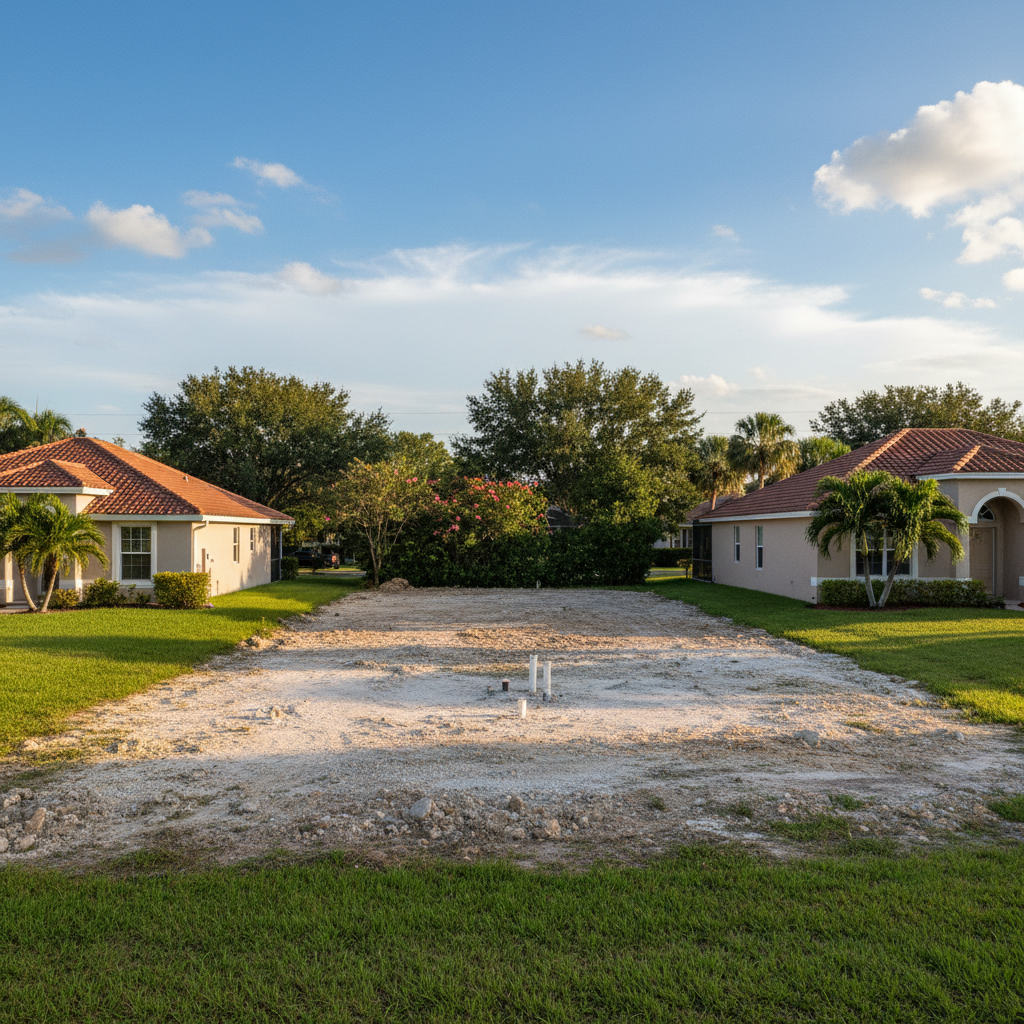
So, you’ve just wrapped up a big project, right? Maybe a kitchen remodel, a new pool deck, or even cleaning up a property after a storm. Now you’re probably staring at a mountain of junk, thinking, “How on earth am I going to get rid of all this?” It’s not as simple as just calling any old junk hauler, especially here in Cape Coral.
We see it happen all the time. People try to handle their debris removal themselves or hire some cheap outfit, and what do they get? Headaches, fines, or even more of a mess. When you do debris removal the right way, it’s a crucial part of any project. Plus, you really need local know-how to get it done efficiently and legally.
Why Cape Coral Debris Removal Isn't a One-Size-Fits-All Deal
First off, let’s talk about the kind of junk we usually deal with around here. It’s not just old furniture, you know. After Hurricane Ian, we saw an unbelievable amount of construction and demolition (C&D) debris — everything from drywall and insulation to busted roof tiles and splintered wood. Even on a normal day, with all the new building and renovations happening in neighborhoods like Pelican, you’re looking at a mix of materials that need specific handling.
You’ve got concrete from old driveways, asphalt shingles, wood scraps, metal, plastics, and sometimes even hazardous stuff like old paint cans or chemicals. Every single one of these needs to be thrown out according to particular rules. You can’t just dump it all in a landfill. There are recycling requirements, weight limits, and specific places for different kinds of waste.
The Local Rules and Regulations You Just Can't Ignore
This is where knowing the local scene really pays off. Cape Coral, just like any city, has its own rules for getting rid of waste. Lee County has specific guidelines for C&D debris, household hazardous waste, and even yard waste. If you don’t follow them, you could get hit with fines. I’ve seen homeowners get penalized because they tried to mix construction debris with their regular trash or left a pile of junk on their curb for weeks, totally breaking city ordinances.
Then there’s the whole permitting thing. For bigger projects, especially those involving demolition, debris removal is directly tied to the permits. You actually have to prove that the waste is being disposed of correctly. A good company like Primetime Demolition knows these rules inside and out. We’re not just hauling; we’re making sure everything follows the law.
The Logistics: It's Not Just a Pickup Truck Job
Just imagine trying to haul away a demolished lanai or all the debris from a full kitchen remodel in your personal truck. You’d be making trips all day, burning gas, and probably overloading your vehicle. That’s not efficient, and it’s certainly not safe. Professional debris removal companies have the right gear: roll-off dumpsters in different sizes, Bobcats for loading heavy stuff, and trucks built to handle serious weight.
We also get the unique challenges of Cape Coral properties. Lots of homes, especially in older parts of town, have tight access points or sit right on a canal. You can’t just back a huge truck anywhere. We plan for these logistical quirks, making sure we can get in, do the job, and get out without damaging your property or your neighbor’s. What a relief, right?
Keeping Our Environment Safe (and Your Wallet Too)
Proper debris removal isn’t just about avoiding fines; it’s about protecting our beautiful Southwest Florida environment. We live in a delicate ecosystem, and if you throw things out improperly, it can really harm our waterways and natural habitats. Responsible contractors make sure materials get sorted for recycling whenever they can, cutting down on landfill waste and lessening the environmental impact.
And let’s be honest, trying to save a few bucks by going with some uninsured, fly-by-night hauler is a huge gamble. If they damage your property, hurt themselves, or dump your debris illegally, you could be held responsible. A licensed and insured company means you don’t have to worry. You know the job will get done right, safely, and legally.
So, next time you’re planning a project that’s going to create a lot of waste, don’t underestimate the debris removal part. It’s more than just hauling junk. It’s about following the rules, managing the logistics, staying safe, and protecting our community. Make sure you’re working with someone who truly understands the ins and outs of Cape Coral.