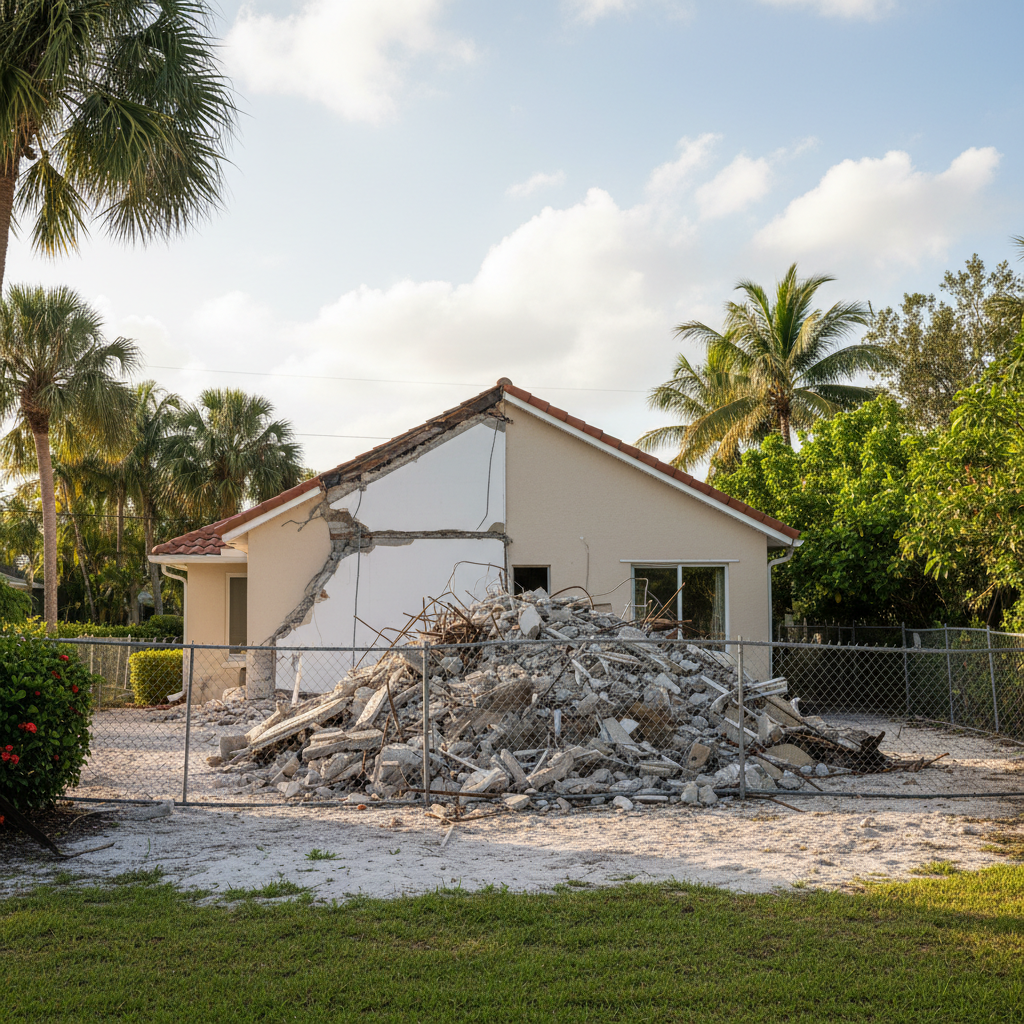
So, you're thinking about a partial demolition project for your Cape Coral home or business. Maybe it's an old lanai that's seen better days, or an interior wall you want to knock down to open up a space. Whatever the job, timing is everything down here, and I've seen firsthand how much our local weather impacts these kinds of projects.
When's the Best Time to Schedule?
Honestly, if you have the flexibility, the cooler, drier months are usually your best bet. That means roughly from November through April. Why then? Well, a few reasons come to mind.
- Less Rain: Our rainy season, from May to October, can be a real pain. Daily afternoon thunderstorms aren't just inconvenient; they can halt work, turn your property into a muddy mess, and even complicate debris removal. We're talking about heavy downpours that can soak everything, including any exposed structural elements, which really isn't ideal.
- Lower Humidity: High humidity, especially when it's raining too, can make things like dust control a lot harder. It can even affect how some materials hold up if they're exposed for too long.
- Milder Temperatures: It's just more comfortable for the crew, which usually means a more efficient job. Working in 90-degree heat with 90% humidity is tough on everyone, and it definitely slows things down.
Now, that doesn't mean we can't do partial demolition during the summer. We absolutely do, and we're geared up for it. But if you have some wiggle room, those drier months generally make for smoother sailing.
Weather Conditions That Affect the Work
Beyond just the season, specific weather conditions play a big role. You really have to consider them.
Heavy Rain: This is the big one. If we're taking down an exterior wall or part of a roof, heavy rain can expose the inside of your home to water damage. We take precautions, covering openings and protecting areas, but it's always better to avoid a downpour if we can. It also makes the ground soft, which can be an issue for heavy equipment. Think about getting a big excavator stuck in the mud!
High Winds: Cape Coral is no stranger to wind, especially during storm season. High winds can make demolition work dangerous, particularly when we're dealing with elevated structures or large, unsecured pieces of material. Safety is always our top priority, so if the winds are too strong, we'll pause or reschedule. This is especially true for those older, sometimes less stable structures you see in some of the older sections of Cape Coral, like around the Yacht Club area.
Lightning: This one's a no-brainer. If there's lightning in the area, work stops. Period. You don't want anyone on a ladder or operating machinery during an electrical storm.
Extreme Heat: While not a show-stopper like lightning, extreme heat and humidity can lead to worker fatigue and slower progress. We schedule breaks and make sure everyone stays hydrated, but it's definitely a factor in how long a project takes overall.
Protecting Your Investment Year-Round
Even after the demolition dust settles, you've got to think about protecting what's left and what's coming next. Here's what I tell folks:
- Secure the Site: Once a partial demo is done, especially if it's an exterior wall or roof section, you need to make sure the remaining structure is secured from the elements. Tarps, temporary walls, and proper bracing are crucial until reconstruction starts. Don't leave it exposed longer than necessary.
- Debris Removal: Get that debris off your property quickly. Piles of rubble aren't just an eyesore; they can attract pests, become a tripping hazard, and can even leach chemicals into the ground if left too long, especially with our sandy soil. Primetime Demolition always makes sure the site is clean and safe when we're finished.
- Plan for Reconstruction: Don't just demolish without a clear plan for what comes next. Having your reconstruction contractor lined up and ready to go immediately after demolition minimizes the time your property is vulnerable to weather and other issues. The quicker you seal things up, the better.
- Regular Inspections: If there's a delay between demolition and reconstruction, regularly inspect the exposed areas for any signs of water intrusion, pest activity, or structural shifts. Our weather can be brutal, and a small issue can become a big problem fast.
Ultimately, a successful partial demolition in Cape Coral comes down to smart planning and respecting our local climate. We're here to help you navigate it, ensuring your project goes as smoothly and safely as possible.