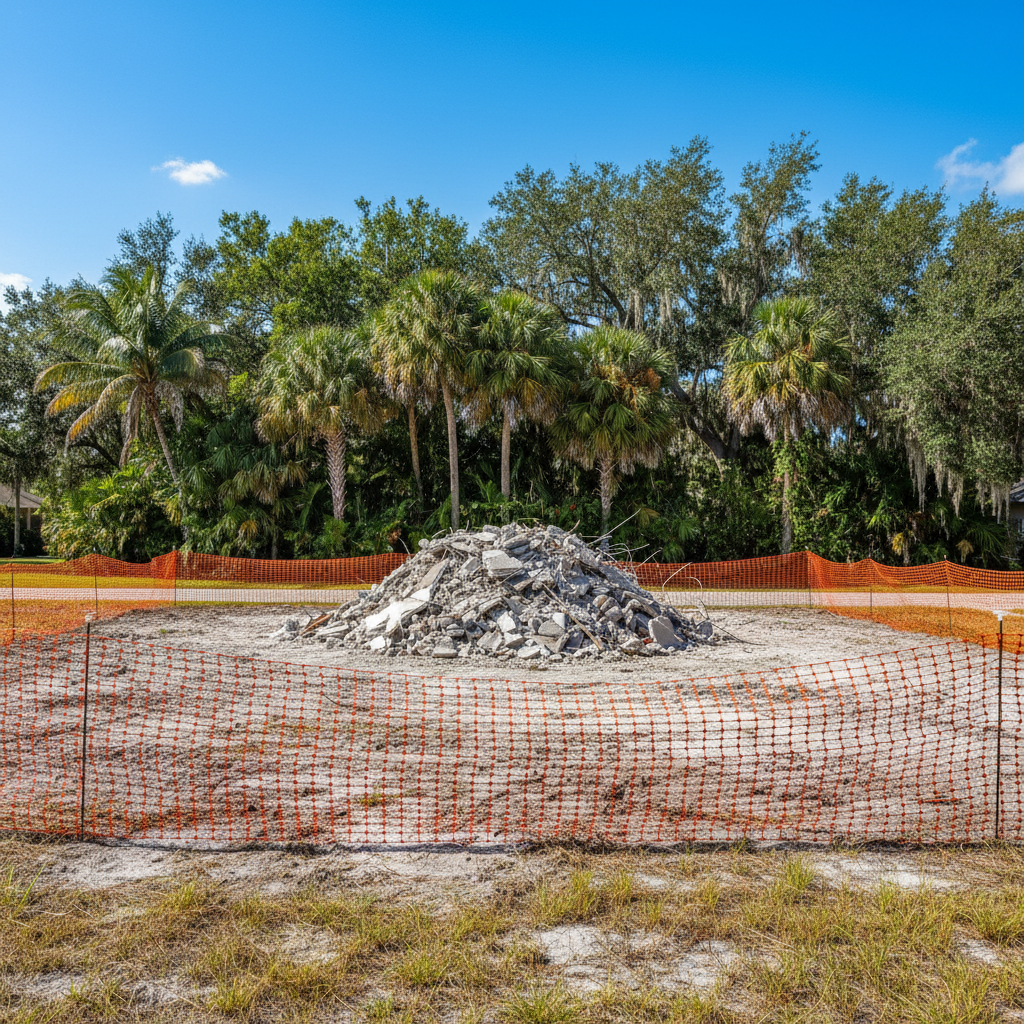
So, you're thinking about tearing down a structure here in Cape Coral, right? Maybe an old shed, a lanai damaged by a storm, or even a whole house to clear the way for something new. That's a big project, no doubt. And one thing I always tell people is this: our unique Florida weather isn't just a pretty background; it plays a huge role in how and when we tackle demolition jobs.
Timing Your Demolition: When's Best in Cape Coral?
Look, there's no single "perfect" day for demolition. But some seasons are definitely better than others. Here’s what I’ve learned over the years working right here in Southwest Florida:
- The Dry Season (usually October to May): This is generally your best bet. We get less rain, lower humidity, and conditions are just more predictable. When the ground's dry, our heavy equipment moves around a lot easier. We don't have to worry as much about making a muddy mess or getting stuck, which is a real pain. Dust can be more of an issue, sure, but we've got ways to handle that. Plus, with less rain, debris stays lighter, and that can sometimes make hauling a bit more efficient.
- The Wet Season (usually June to September): Ah, our rainy season. And boy, do we get some downpours! Afternoon thunderstorms are practically a daily thing. While we can still work, these conditions can definitely slow us down. Heavy rain can turn a job site into a swamp pretty fast, making it tough for equipment and creating a bigger cleanup challenge. It also means we might have to stop work unexpectedly, which can stretch out the timeline. Oh, and high humidity? Makes everything feel heavier and stickier.
So, if you have some wiggle room, aiming for the dry season usually means a smoother, quicker project. But don't get me wrong, we work all year. It just means we plan a bit differently and keep an extra close eye on weather forecasts during the summer months.
Weather Conditions That Really Affect Demolition
It's not just about rain or shine; a few specific weather factors can really mess with a demolition job:
- High Winds: This is a big one, especially here in hurricane country. Even outside of storm season, strong gusts can be dangerous when you're taking down a structure. Loose materials can become flying projectiles, and it makes running machinery much riskier. We'll often pause or reschedule if winds are too high — gotta keep everyone safe and prevent damage to nearby properties.
- Heavy Rain & Flooding: Like I said, a waterlogged site is trouble. It can weaken the stability of any remaining structures, make trenches unsafe, and turn dirt into a soupy mess. Our soil here, especially in areas with a high water table like many of the older Cape Coral neighborhoods, can get saturated super fast. This can also affect debris disposal, since wet debris weighs more and is harder to manage.
- Lightning: This is a no-brainer. If lightning's in the area, we shut down. Period. Safety is always our top priority, and working on an exposed site during a lightning storm is just asking for trouble.
- Extreme Heat: While it won't stop work completely, extreme heat and humidity, especially in July and August, mean we have to take more frequent breaks. We make sure our crew stays hydrated and sometimes adjust our work schedule to avoid the hottest parts of the day. It's all about keeping our team safe and productive.
Protecting Your Investment Year-Round
Even after the demolition dust settles, you've got an investment to protect. Whether it's the cleared lot or the remaining structure if it was a partial demo, here's what you need to think about:
- Site Security: Once a structure is down, the site can become an attractive nuisance. Make sure you've got proper fencing and signage to keep unauthorized people out. This isn't just about liability; it's about preventing accidents.
- Drainage & Erosion Control: This is huge in Cape Coral. With our flat terrain and heavy rains, good drainage on a newly cleared lot is critical. You definitely don't want water pooling up or eroding your valuable land. We always make sure the site is graded correctly to direct water away, and sometimes temporary measures like silt fences are necessary, especially if you're waiting a while before new construction. This helps prevent issues with your neighbors' properties too.
- Debris & Material Removal: Don't leave anything behind. Even small pieces of concrete or rebar can become hazards or get washed into storm drains. A clean site is a safe site, and it's ready for whatever comes next. At Primetime Demolition, we pride ourselves on leaving a site spotless.
- Future Planning: If you're not building right away, consider some temporary landscaping or ground cover to prevent erosion and keep the site looking tidy. An unkempt lot can attract unwanted attention or even lead to code enforcement issues.
Demolition might seem straightforward, but there are a lot of moving parts, and our local climate just adds another layer of complexity. Planning ahead with the weather in mind can save you time, money, and headaches. If you're ready to talk about your project, give us a call. We're here to help you figure it all out, rain or shine.