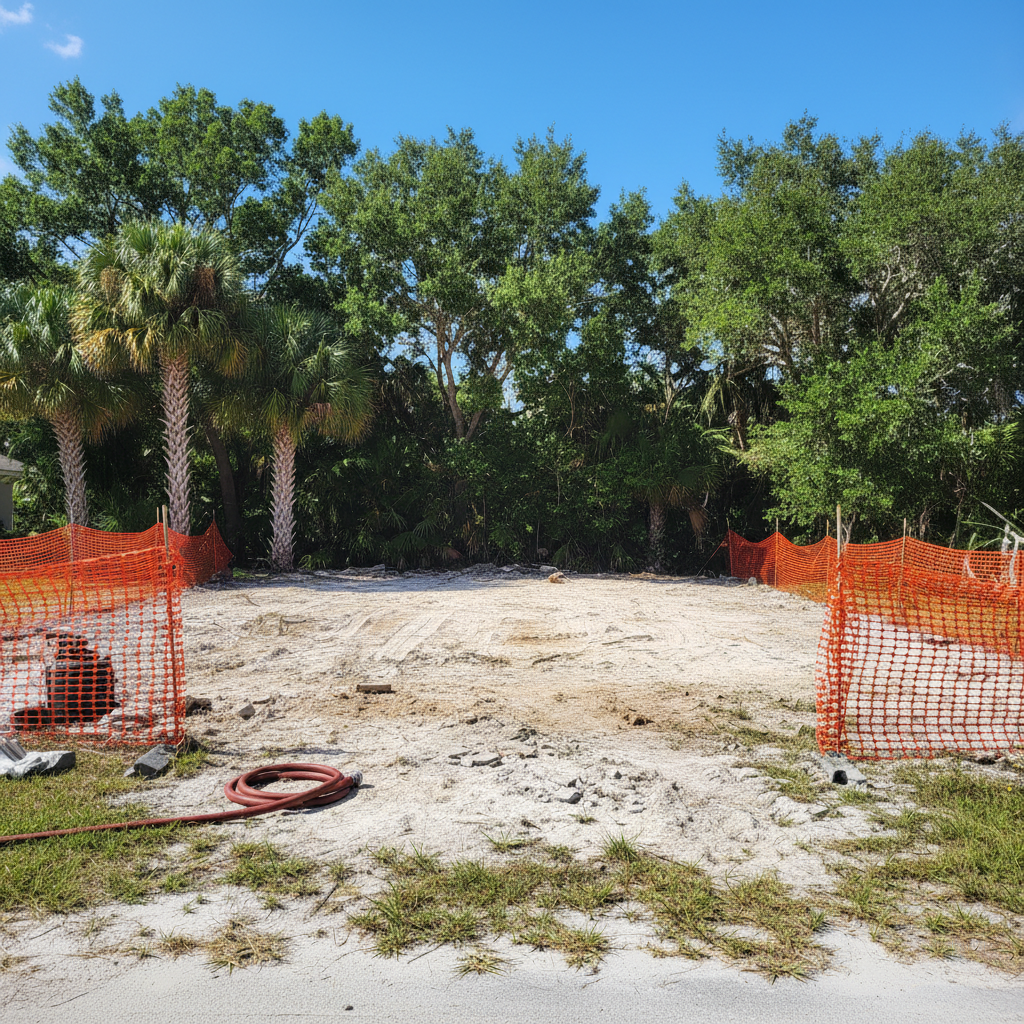
Alright, let's talk about digging here in Cape Coral. You're probably planning a demolition, maybe clearing a lot for a new build, or taking down an old structure. You might think, "It's Florida, we can dig anytime, right?" Not exactly. Our unique climate means you've really gotta be smart about when you break ground. And how you protect that investment once the digging's done, too.
Timing Your Cape Coral Excavation Right
The biggest thing we deal with for excavation around here is water. We get a lot of it, and it doesn't always drain away fast. That's especially true with our flat terrain and high water table. So, timing is everything.
- Dry Season is Your Best Friend: Hands down, the best time to schedule any major excavation work is during our dry season. That usually runs from about November through May. The ground's firmer then, less saturated, and you're not battling daily afternoon thunderstorms. This means less mud, less equipment getting stuck, and a more efficient job overall. It's just easier to work, plain and simple, and that usually translates to a smoother project for you.
- Wet Season Woes: June through October is our rainy season. You know it, I know it – those afternoon downpours can be brutal. If you absolutely have to excavate during this time, be prepared for potential delays. The ground gets super soft, and digging can turn into a muddy mess real quick. We're talking about heavy machinery sinking, trenches filling with water, and everything just slowing down. It can also make it harder to haul away debris efficiently, which is a pain.
- Hurricane Season Considerations: This overlaps with the wet season, obviously. Trying to do major excavation when a hurricane is looming or just passed? That's a recipe for disaster. You're dealing with saturated ground, potential flooding, and a workforce that's focused on securing their own homes. It's just not practical or safe.
What Weather Conditions Affect the Work?
Beyond just "wet" or "dry," there are a few specific conditions we always keep an eye on:
- Heavy Rain: This is the big one. Even outside the official rainy season, a few days of heavy rain can turn a stable site into a swamp. It impacts soil stability, makes it tough for equipment to move, and can even compromise the integrity of freshly dug trenches or foundations. We've seen projects in areas like the Yacht Club neighborhood get completely bogged down because of unexpected deluges.
- High Humidity: While it won't directly stop excavation, high humidity combined with heat makes for tough working conditions. My crew at Primetime Demolition works hard, but extreme heat and humidity slow everyone down and increase the risk of heat-related illness. We plan our days accordingly, but it's something to be aware of.
- Wind: Strong winds, especially during storm season, can be a safety hazard. Dust and debris can become airborne, and it makes operating heavy machinery more challenging. It's not usually a showstopper for excavation itself, but it can impact other aspects of a demolition project.
Protecting Your Investment Year-Round
Once the digging's done, you've got an exposed site. You need to protect it, especially if there's a gap before the next phase of construction.
- Proper Drainage: This is crucial in Cape Coral. Make sure your contractor – whether it's us or someone else – has a plan for managing water on your site. This means grading the land correctly, installing temporary swales, or using pumps if necessary to prevent water from pooling in excavated areas. Standing water can erode soil, damage foundations, and attract mosquitoes. Nobody wants that.
- Secure the Site: An open excavation is a hazard. Always ensure the site is properly fenced off and secured, especially if it's going to be exposed for any length of time. This isn't just about liability; it's about community safety.
- Monitor for Erosion: Our sandy soil, while good for drainage in some ways, can also be prone to erosion, especially after heavy rains. Keep an eye on your excavated areas. If you see significant washout, address it quickly to prevent further damage.
- Backfill or Build Promptly: The best protection is to move forward with your build as soon as possible. Leaving large excavations open for extended periods, especially through a rainy season, just invites problems. The longer it's exposed, the more susceptible it is to weather, erosion, and even unauthorized access.
Look, getting a demolition and excavation project done right in Cape Coral means understanding our local environment. Plan ahead, consider the seasons, and make sure your contractor is experienced with our unique challenges. It'll save you headaches and money in the long run.