Do I even need a permit to dig on my property in Cape Coral?
Yeah, you probably do. This is one of those things folks often try to skip, and it almost always bites 'em later. The City of Cape Coral has specific rules about digging, especially if you're changing your land's grade, putting in a pool, installing new utilities, or even just digging a big trench for a foundation. It's not just about the hole you're making, you know; it's about what that hole affects. You could be messing with drainage patterns, utility lines, or even disturbing protected areas. Always, and I mean *always*, check with the city's permitting office before you break ground. A little paperwork upfront saves a huge headache and potential fines down the road.
What's the deal with calling 811 before digging? Is that really necessary for small jobs?
Absolutely necessary. Every single time. Doesn't matter if you're just putting in a new mailbox post or planting a tree. You call 811, and they send folks out to mark where underground utility lines are – gas, electric, water, sewer, communication. It's a free service, and it's the law. I've seen too many times where someone thinks, "Oh, it's just a small hole," and next thing you know, they've hit a fiber optic cable or, worse, a gas line. That's not just an inconvenience; it's dangerous and expensive. Trust me, you don't want to be the person who knocks out power to your whole neighborhood or causes a gas leak. Make the call, wait the required time, and dig safe.
What kind of soil am I dealing with here in Cape Coral, and how does that affect excavation?
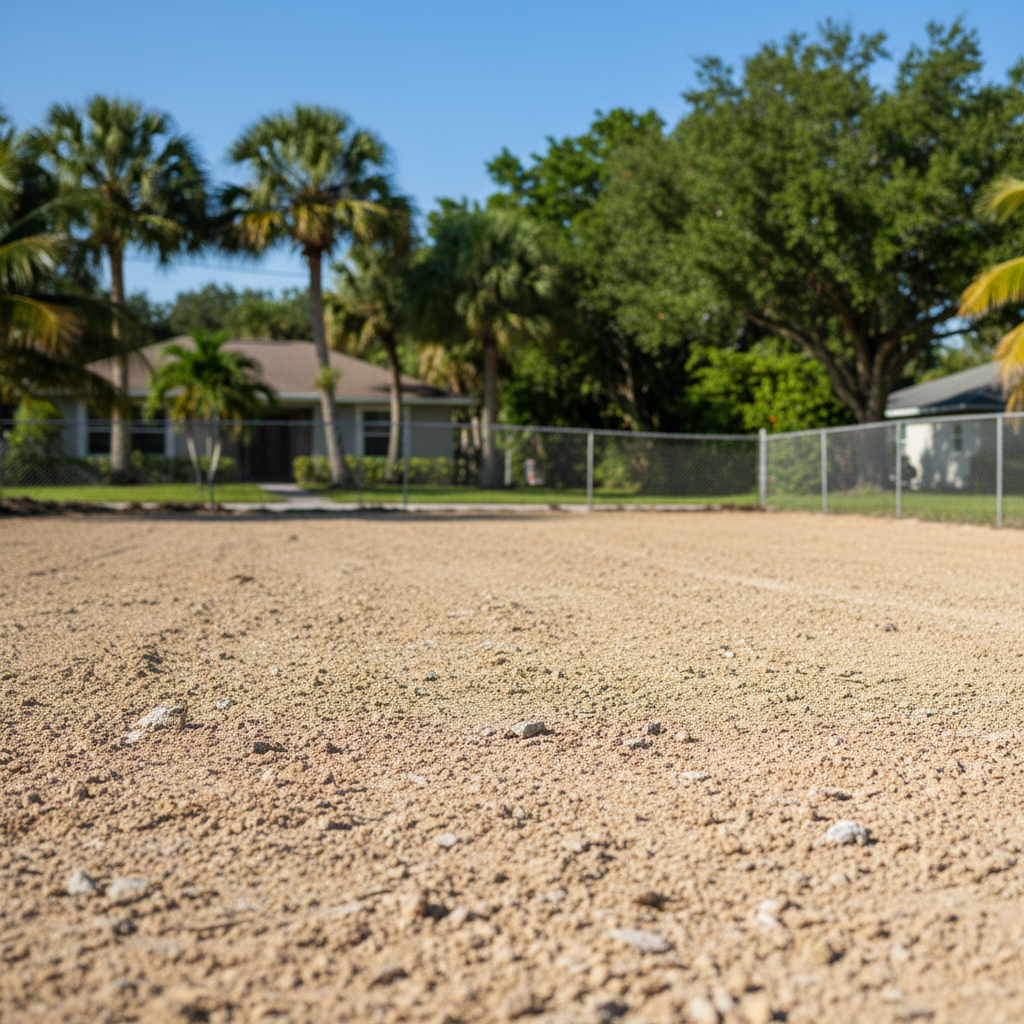
Ah, the classic Southwest Florida soil question. Most of Cape Coral sits on what we call 'fill' or 'sugar sand.' It's basically sand, sometimes mixed with shell or clay, brought in to raise property elevations. This stuff can be tricky. It drains really well, which is good for avoiding standing water, but it's also very loose and doesn't hold its shape. That means when you dig, especially a deep trench, you're constantly fighting against the sides collapsing. We often have to use shoring or slope the sides way back to keep our guys safe and the hole stable. You'll also hit the water table pretty quickly in many areas, especially closer to the canals or during the rainy season. That means dewatering might be necessary, which adds another layer to the job.
How deep can you actually dig in Cape Coral before hitting water?
That's a million-dollar question, and the answer is, "it depends." It depends on your specific lot, the time of year, and how much rain we've had. In some higher areas, you might get a few feet down before you see water. In other spots, especially those low-lying areas near the mangroves or canals, you could hit it within a foot or two – sometimes even less during the peak rainy season. When we're doing a big project, like a pool or a foundation, we always factor in the water table. It often means bringing in pumps to dewater the site, which is an extra step and cost, but it's essential for getting the job done right and safely. You can't build on a swamp, right?
What equipment do you typically use for residential excavation jobs?
For most residential digging, we've got a few go-to pieces of machinery. For smaller jobs, like trenching for utilities or a small foundation, a mini excavator is perfect. It's compact enough to fit into tight spaces, but still powerful enough to get the job done. For bigger projects, like a pool dig or a full house foundation, we'll bring in a full-size excavator. Sometimes we'll pair that with a skid steer or a bobcat for moving dirt around quickly or loading it into dump trucks. If we're hauling away a lot of material, you'll definitely see our dump trucks on site. The right tool for the right job, that's what I always say. It makes the work efficient and keeps the costs down for you.
How long does a typical excavation project take?
This one varies a lot, but I can give you a general idea. A small trenching job for a new utility line might only take a day or two. A pool excavation, depending on its size and how complicated it is, could be anywhere from three days to a week, especially if we're dealing with a high water table or tricky soil conditions. A full house foundation dig? You're probably looking at a week or two, once again, depending on the house's size and what we encounter underground. Weather plays a huge role too. A big rainstorm can shut us down for a day or two while the ground dries out. We always try to give you an honest estimate upfront, but Mother Nature sometimes has other plans. We at Primetime Demolition always aim to work as efficiently as possible without cutting corners.
What happens to all the dirt that gets dug up?
Good question. Most of the time, especially with something like a pool dig or a foundation, there's a lot more dirt than you'd expect. If you're planning to build up your lot or need fill for landscaping, we can sometimes spread it around on your property. But often, there's a surplus. That's when we load it into our dump trucks and haul it away to a designated disposal site. Sometimes, if the dirt is clean and suitable, it can be repurposed as fill for other construction projects. It's not just about moving dirt; it's about responsible disposal. We make sure it's handled properly, so you don't have to worry about it.
What should I look for in an excavation contractor?
You want someone local, first off. Someone who knows Cape Coral soil, the permitting process, and the local regulations. Experience is key – ask about their past projects. Do they have the right equipment? Are they licensed and insured? That's non-negotiable. You also want someone who communicates clearly and gives you a straightforward estimate. Don't go with the cheapest bid just because it's cheap; you often get what you pay for. A good contractor will walk you through the process, explain potential challenges, and keep you in the loop. We pride ourselves on being that kind of company at Primetime Demolition.