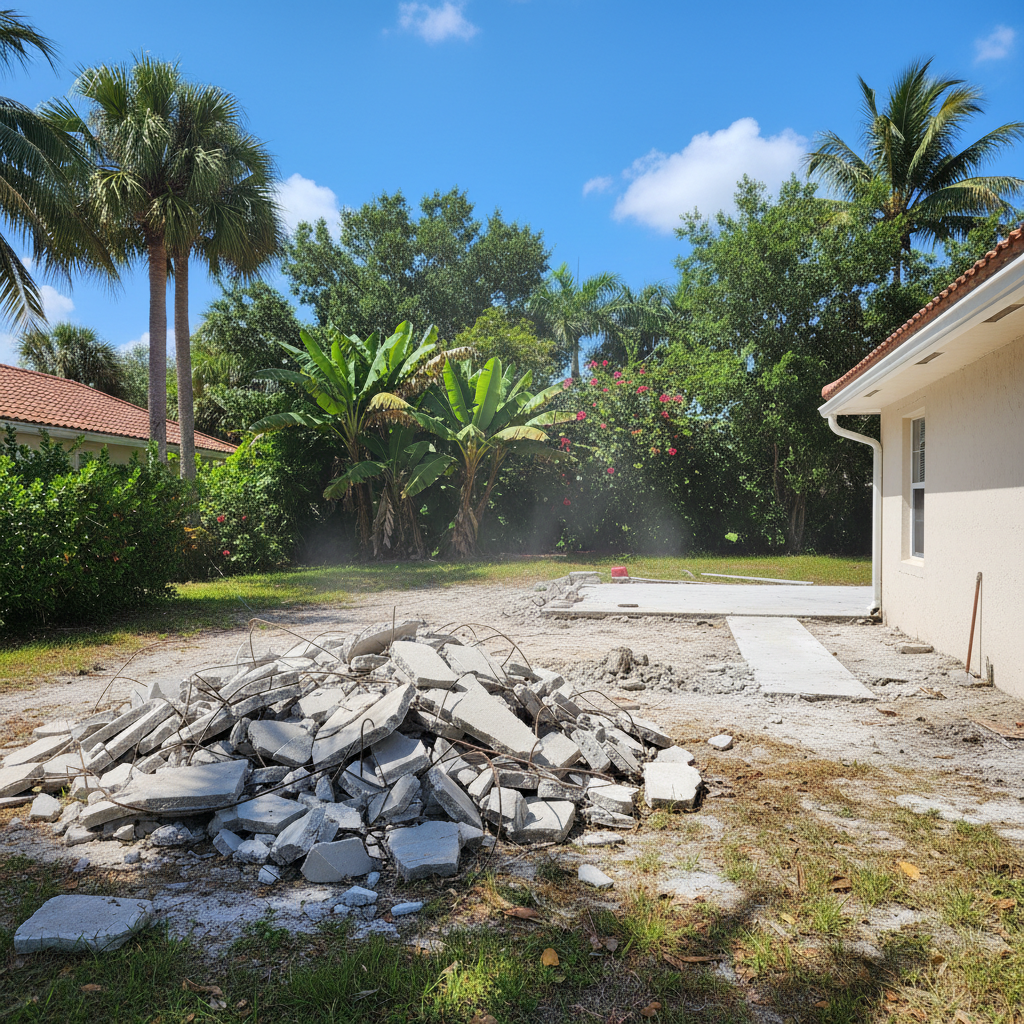
Alright, let's talk concrete demolition here in Cape Coral. You might think it's just a matter of calling someone up, getting a crew out, and smashing stuff, right? Well, not exactly. Especially not with our unique Florida climate. I've seen it all in my years doing this, and I can tell you, timing and weather aren't just suggestions; they're critical for a smooth, efficient, and cost-effective job.
When's the Best Time to Schedule Concrete Demolition?
Honestly, there's no single 'best' time year-round for every concrete demolition job. It really depends on what you're tearing out and the specifics of your project. But generally speaking, if you're looking at a big slab, a driveway, or a pool deck, you're usually better off avoiding the peak of hurricane season. That runs from June through November, by the way. It's not that we can't work then, but it introduces a lot more variables and potential delays, you know?
I find the late fall, winter, and early spring months – say, November through May – are often ideal. The humidity is lower, temperatures are more bearable for the crews, and we're less likely to get those sudden, torrential downpours that can shut down a job site. Less rain means less mud, better access for heavy equipment, and a safer environment for everyone involved. Plus, if you're planning on pouring new concrete right after the demo, those drier, cooler conditions are much better for curing.
How Does Cape Coral Weather Affect the Work?
Our weather here isn't just about sunshine and palm trees; it's a real factor in concrete demolition. You've got to consider a few things:
- Rain: This is a big one. Heavy rain can turn a demolition site into a muddy mess in no time. It makes it harder to operate heavy machinery safely, can wash away loose debris, and just generally slows everything down. We're talking about potential delays, extra cleanup, and sometimes even having to reschedule. If we're using water to suppress dust, a little rain is fine, but a downpour? That's a different story entirely.
- Heat and Humidity: While it doesn't stop us from working, extreme heat and humidity wear out crews faster. We have to take more breaks, ensure proper hydration, and sometimes adjust hours to avoid the hottest parts of the day. It's all about safety and efficiency. For you, it means a job might take a little longer than it would in cooler temps.
- Hurricanes and Tropical Storms: This is the big one for us. If there's a named storm heading our way, we're not just stopping work; we're securing the site, making sure everything is tied down or removed, and preparing for the worst. You don't want a partially demolished structure or a pile of concrete debris becoming a projectile in a strong wind. This is why planning ahead is so crucial.
- Soil Conditions: This isn't strictly weather, but it's related to our local environment. Cape Coral's soil, especially in some of the older neighborhoods like those around the Yacht Club, can be pretty sandy and sometimes has a high water table. Heavy rain can saturate that sandy soil, making it less stable for heavy equipment. We always assess the ground conditions before bringing in the big machines.
Protecting Your Investment Year-Round
So, how do you protect your investment, no matter when you decide to tackle that concrete demolition project?
- Plan Ahead: Don't wait until the last minute. Get quotes, talk to contractors like us at Primetime Demolition, and schedule your project with enough lead time. This allows us to monitor weather patterns and plan for contingencies.
- Communicate: Stay in touch with your demolition contractor. We'll keep you informed about any weather-related delays or adjustments to the schedule. Open communication prevents surprises.
- Secure the Site: Before, during, and after demolition, a good contractor will ensure the site is secure. This means proper fencing, signage, and making sure debris is contained, especially if a storm is brewing. You don't want loose materials blowing onto a neighbor's property.
- Consider Post-Demolition Plans: If you're replacing the concrete, think about how the weather will affect the new pour. As I mentioned, cooler, drier conditions are generally better for new concrete to cure properly, minimizing cracks and ensuring longevity.
Ultimately, doing concrete demolition in Cape Coral isn't just about brute force; it's about smart planning and understanding our local environment. When you're ready to get rid of that old concrete, give us a call. We'll help you figure out the best approach for your specific situation, taking all these factors into account.