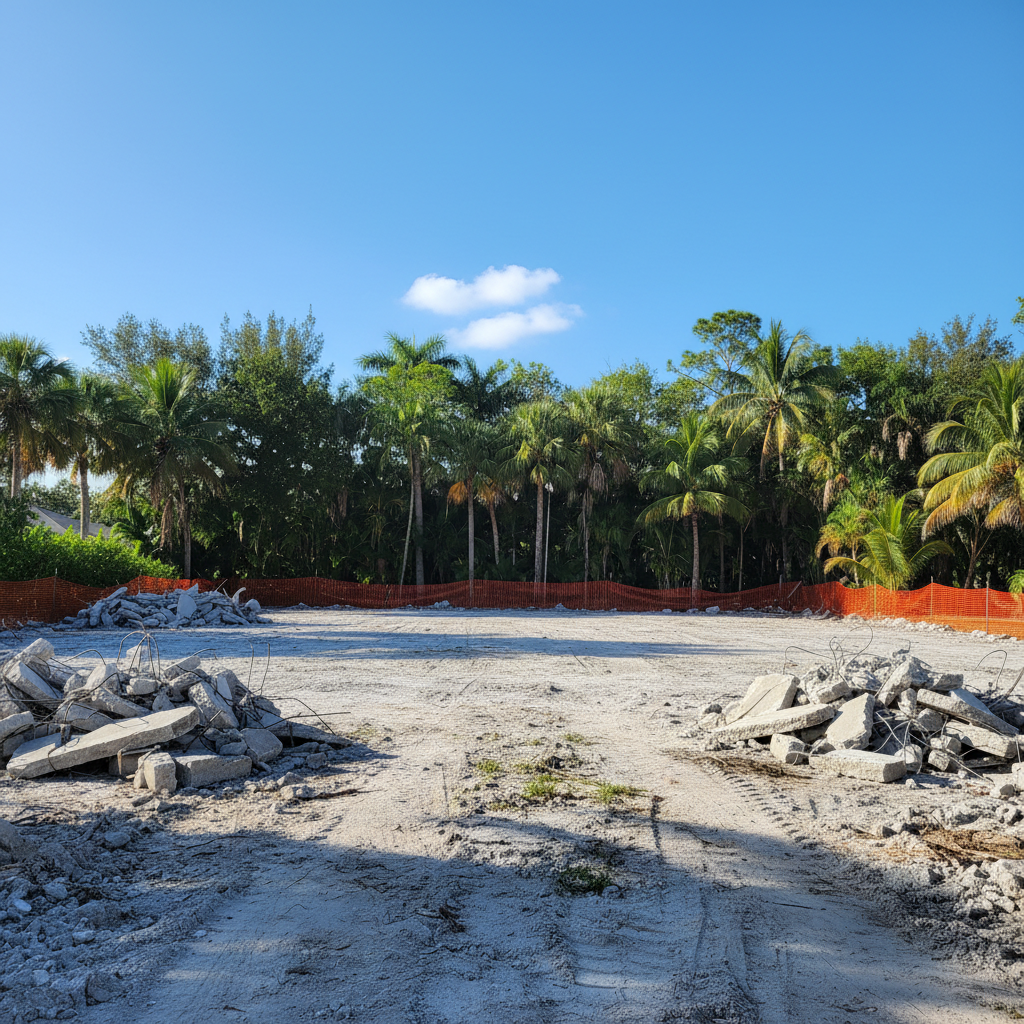
So, you've decided it's time to tear down a whole building here in Cape Coral. Maybe you're clearing the lot for that dream home you've always wanted, or perhaps you've got a property that's just not worth fixing up after some hurricane damage. Whatever your reason, this is a big project. One of the first things you'll need to think about is our unique Southwest Florida climate. It's not just about picking a date; it's about understanding how our weather affects everything, from how safe the job is to what it'll cost you.
When's the Best Time for a Full Demolition?
Honestly, there isn't one single "perfect" day or month for demolition in Cape Coral. But, we definitely have better windows of opportunity. We essentially have two main seasons: the dry season and the wet season. Each one comes with its own good and bad points for a job like a full building tear-down.
Dry Season (Roughly October to May): This is usually your best bet. We're talking less rain, lower humidity, and weather patterns that are just more predictable. The ground stays firmer, which means heavy equipment like excavators and Bobcats can move around without getting stuck. Plus, less mud means debris removal is quicker and cleaner. You might find dust is more of an issue during the dry season, but we've got ways to handle that, like using water trucks to keep things dampened down.
Wet Season (Roughly June to September): This is our rainy season. It brings daily afternoon thunderstorms, higher humidity, and, of course, the start of hurricane season. Doing demolition work during this time can be tricky. Heavy rain can turn a job site into a muddy mess in a hurry, slowing everything down and making it tougher to haul off debris. It can also make the ground unstable, which is a real safety concern when you're knocking down structures. And, let's be real, you're always keeping an eye on tropical depressions and hurricanes. If a storm is brewing, we have to secure the site and sometimes even pause the work completely. That said, sometimes you just can't wait. If you're on a tight schedule or it's an emergency, we'll work through it—but we're always watching the radar, believe me.
Weather Conditions That Really Matter
Beyond just "dry" or "wet" season, a few specific weather conditions can absolutely make or break a demolition day.
Rain: A light drizzle usually isn't a problem, but a heavy downpour? That'll stop us in our tracks. Muddy sites are dangerous, and it's hard on the equipment. Not to mention, it just makes everything take longer, which ultimately costs you more money.
Wind: This is a big one, especially when you're taking down tall structures. Strong winds can make a controlled demolition unpredictable and dangerous. We're talking about flying debris, huge dust clouds, and structural integrity issues. If the wind speeds get too high, we'll hit pause until it calms down. Safety always comes first.
Lightning: Our afternoon thunderstorms here in Cape Coral often come with lightning. When there's lightning in the area, we pull our crews off the site. It's just not worth the risk.
Heat and Humidity: While extreme heat and humidity don't directly stop the demolition, they can definitely slow down our crews. We make sure to take plenty of breaks, keep everyone hydrated, and adjust schedules to avoid the hottest parts of the day whenever possible. It's just part of working in this climate, isn't it?
Protecting Your Investment Year-Round
Whether it's a full tear-down or just getting the site ready, protecting your investment means thinking ahead and choosing the right partner. Here's what I mean:
Proper Planning & Permitting: Before we even touch the site, we make sure we've got all our ducks in a row. This includes understanding Cape Coral's specific permitting requirements and making sure everything is approved. Rushing this can lead to costly delays or fines, and nobody wants that.
Site Security: Once demolition starts, the site becomes a construction zone. We make sure it's properly fenced off and secured to prevent anyone from getting in who shouldn't be there, which is especially important in neighborhoods with lots of foot traffic or kids. This protects everyone and helps avoid liability issues.
Erosion Control: This is huge in Cape Coral, especially during the wet season. With our sandy soil and how close we are to canals and the Caloosahatchee River, erosion is a real concern. We put measures in place like silt fences and proper grading to stop soil runoff from getting into storm drains or waterways. It's not just good practice; the city often requires it.
Debris Management: We don't just knock it down and leave it. Getting rid of debris efficiently is key. We separate materials for recycling whenever we can and make sure everything is hauled away quickly and legally. A clean site is a safe site, and it gets you ready for the next phase of your project faster.
Choosing the Right Contractor: Look, I'm biased, but you really need someone who knows Cape Coral, knows the weather, and knows how to adapt. Here at Primetime Demolition, we've been doing this for years. We understand the local challenges—from those afternoon downpours to the specific soil conditions around places like the Yacht Club area. We don't just show up; we plan for our climate.
Ultimately, a full building demolition is a big undertaking. By understanding how our unique Cape Coral climate impacts the work, you can make smarter decisions about scheduling and help ensure your project goes as smoothly and safely as possible. Don't hesitate to reach out if you've got questions about your specific project.