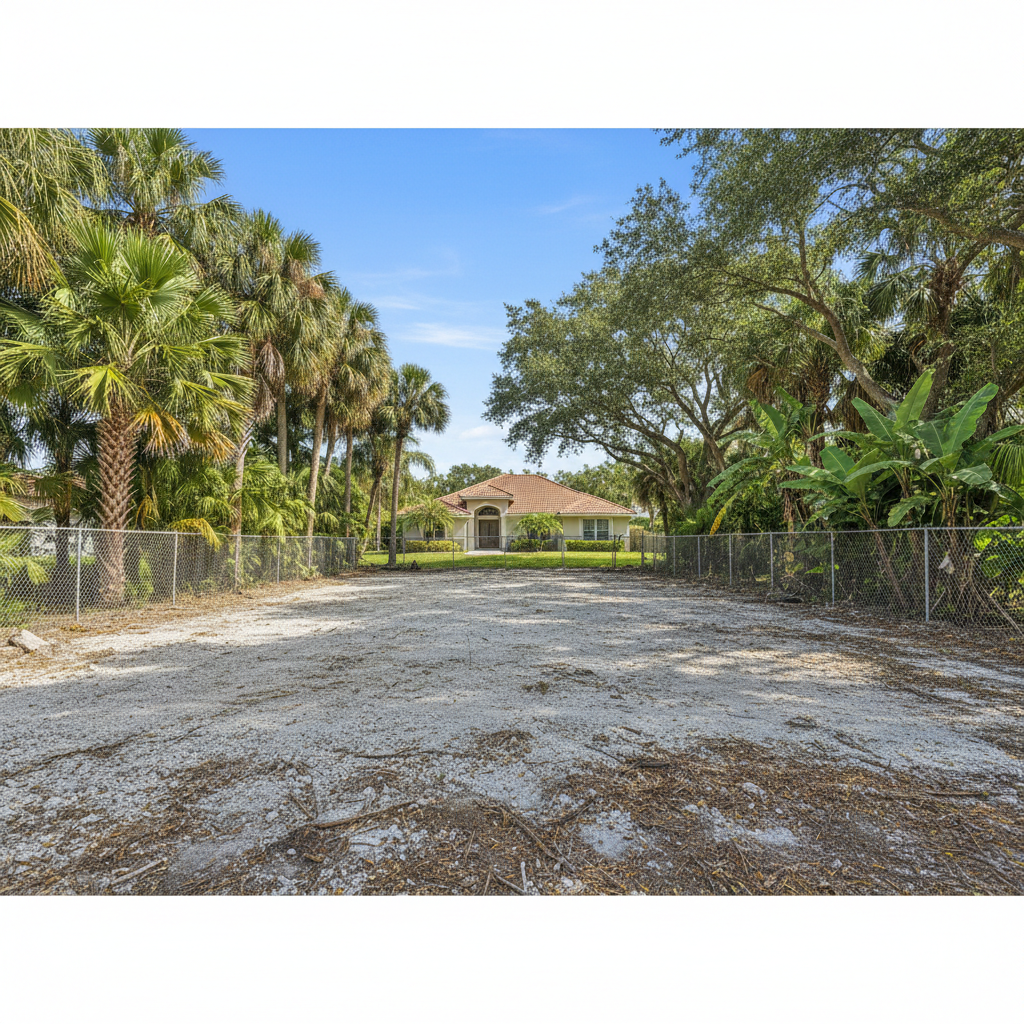
So, you've just finished some demolition work on your property right here in Cape Coral. Maybe it was a full tear-down, clearing the way for a brand new build, or perhaps just a partial demo to open up a space. Either way, once the heavy equipment rolls out and the dust settles, a lot of folks figure the job's completely done. But that's not always how it works, especially with our unique Florida climate.
Think about it: you wouldn't build a new house and then just never clean it, would you? The same idea applies to a demolition site, particularly if you're not building on it right away, or if it's a partial demo where old and new structures meet. A little bit of maintenance goes a long way. It ensures the site stays safe, clean, and ready for whatever comes next, plus it protects the investment you've already made.
Making Your Demolition Work Last
When we talk about extending the 'life' of demolition work, what we really mean is keeping the site sound and stopping new problems from popping up. For a full site clear, that means keeping it clear. For a partial demo, it's all about protecting the structure that's left and any areas that are newly exposed.
- Keep it Clean: This might sound obvious, but debris can pile up surprisingly fast. Wind, rain, even local wildlife can bring in leaves, branches, trash, and all sorts of junk. Regular clearing helps prevent drainage issues and keeps pests from moving in.
- Control Erosion: This is a huge deal in Florida. Our sandy soil, especially in places like northern Cape Coral, can wash away quickly when heavy rains hit. If we've done a lot of earth moving, you might need some temporary erosion control. Think silt fences, or even some quick ground cover planting to stabilize the soil until construction starts.
- Secure Exposed Areas: If it was a partial demolition, any exposed walls, foundations, or rooflines need proper sealing or weatherproofing. We're talking about stopping water from getting in, which is pretty much the enemy of any structure around here.
Regular Maintenance: What You Should Be Doing
What you need to do really depends on the type of demolition. If it's a completely cleared lot, your main job is keeping it tidy and preventing things from getting overgrown. If it's a partial demo, you've got a bit more on your plate.
- Weekly Walk-Throughs: Just take a quick look around. Are there new piles of debris? Is water pooling anywhere it shouldn't be? Are any temporary coverings torn or displaced?
- Drainage Checks: After a good rain, go outside and see how the water is moving. Is it flowing away from any remaining structures? Or is it collecting in low spots? Standing water is a mosquito magnet and can actually undermine foundations.
- Pest Patrol: Demolition sites can be a real draw for critters. Rats, snakes, and insects just love undisturbed piles of debris or overgrown areas. Keep the site clear to deter them.
- Inspect Temporary Barriers: If you've got fencing, tarps, or other temporary structures up, check them regularly. Our strong afternoon thunderstorms can rip through these things in a hurry, you know?
Warning Signs of Problems
You don't need to be a demolition expert to spot trouble. Trust your gut. If something looks off, it probably is.
- New Cracks or Shifts: If you've had a partial demolition, keep a close eye on the remaining structure. New cracks in walls or the foundation, or any noticeable shifting, are huge red flags.
- Water Intrusion: Any signs of water getting into the remaining structure – damp spots, mold growth, or puddles – need immediate attention. This is especially critical with our high humidity and frequent downpours.
- Unusual Odors: Musty smells can mean mold or mildew from water getting in. Foul odors might point to pest issues, or even sewage problems if pipes were cut and not properly capped.
- Excessive Erosion: If you see significant washouts, gullies forming, or exposed utility lines after a rain, your erosion control isn't doing its job.
- Sagging or Weakened Areas: For partial demos, if any part of the remaining structure looks like it's sagging, bowing, or feels unstable, that's a serious problem.
When to Call a Professional
Look, I'm a big believer in homeowners doing what they can, but some things are just best left to the pros. Don't try to DIY a structural repair or a major drainage issue.
- Structural Concerns: If you see any of those new cracks, shifts, or sagging areas, call us or a structural engineer right away. Don't wait. It could be a safety hazard.
- Persistent Water Issues: If you can't figure out why water is pooling or getting into your home, or if you're dealing with extensive mold, a professional can diagnose and fix the root cause.
- Utility Line Problems: If you suspect a broken water line, gas line, or electrical conduit, get professionals involved. This isn't just about property damage; it's about safety.
- Major Erosion: If your site is washing away with every storm, you need a professional to implement proper grading or more robust erosion control measures.
- Before New Construction: If you're planning to build on the site, it's always smart to have us or your general contractor do a final inspection. This ensures the site is perfectly prepped and stable. We're Primetime Demolition, and we're always happy to come out and take a look if you're unsure about something. Better safe than sorry, especially when you're dealing with the foundation of your next project.
Maintaining a demolition site isn't glamorous work, but it's a crucial step in protecting your property and ensuring a smooth transition to your next project. A little vigilance now can save you a lot of money and headaches down the road.